


About West Town
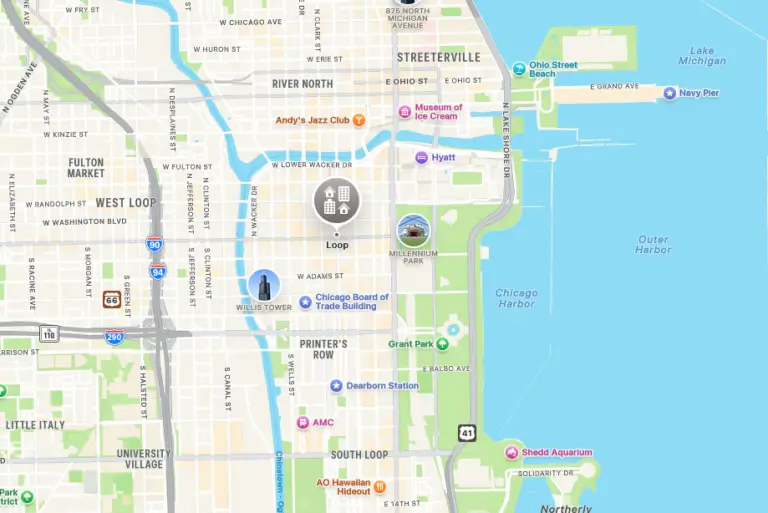
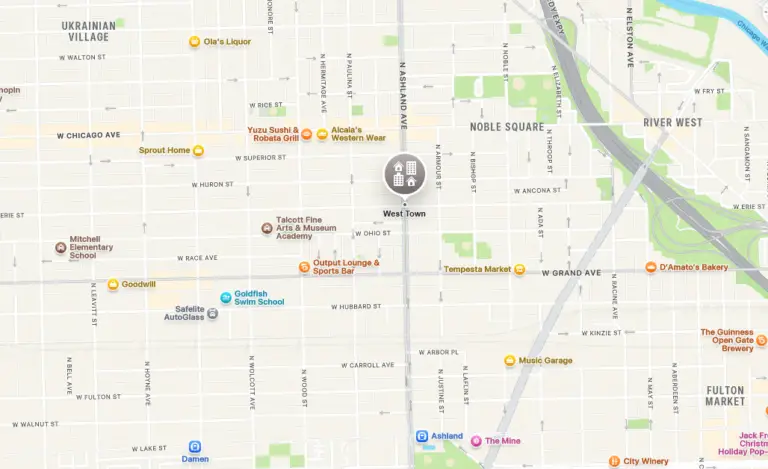
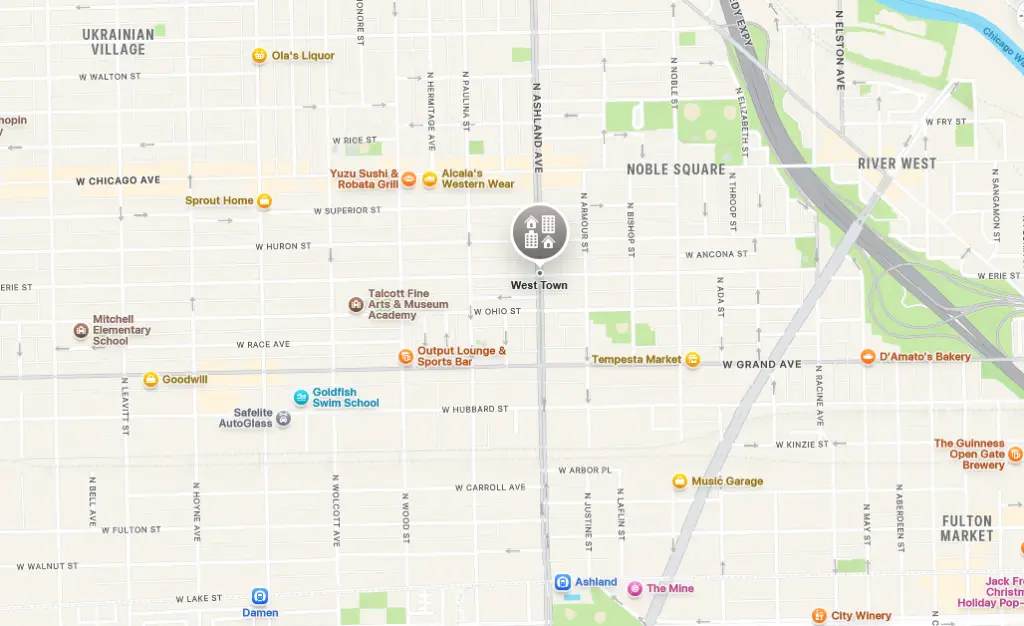
West Town is a dynamic and diverse neighborhood located just west of Chicago’s downtown Loop. Home to roughly 50,000 residents, it is known for its vibrant arts scene, historic architecture, and eclectic mix of cultures. The neighborhood offers a balance of urban convenience, cultural richness, and residential charm, making it appealing to young professionals, families, and longtime residents.
West Town’s history dates back to the mid-19th century when the area developed as a residential neighborhood for European immigrants, particularly Polish, German, and Ukrainian communities. The neighborhood’s industrial roots attracted working-class families, while the late 20th and early 21st centuries saw waves of gentrification, bringing artists, professionals, and new residents who reshaped its cultural and economic landscape. Historic greystones, brick two-flats, and industrial loft conversions are common housing types that reflect its architectural diversity.
Housing in West Town is varied, including single-family homes, two-flats, loft apartments, condominiums, and townhouses. Tree-lined streets coexist with modern developments and converted industrial spaces, providing options for renters and homeowners alike. Gentrification has increased property values, attracting a mix of long-term residents and newer, higher-income households, while some areas remain more affordable.
The neighborhood is culturally diverse, with a mix of Latino, Polish, Ukrainian, and other immigrant communities alongside newer residents. Median household income is slightly above the city average, reflecting a mix of working-, middle-, and higher-income residents. Local businesses, cafes, art galleries, and restaurants contribute to the neighborhood’s eclectic and creative character.
Education in West Town is served by several Chicago Public Schools, including Jenner Academy and Waller High School, alongside private and charter school options. Educational programs often collaborate with local cultural institutions, supporting arts, STEM, and community engagement initiatives.
Economically, West Town thrives on a mix of retail, restaurants, creative spaces, and small businesses along major corridors such as Division Street, Milwaukee Avenue, and Grand Avenue. The neighborhood is a hub for arts, music, and dining, attracting both residents and visitors. Many residents commute downtown or elsewhere via CTA buses, the Blue Line, and nearby expressways, making transportation highly convenient.
Recreation and green space are integral to West Town life. The neighborhood offers several parks, playgrounds, and athletic fields, including the expansive Skinner Park. The 606 Trail runs along its northern edge, providing biking, walking, and outdoor recreational opportunities. Community events, cultural festivals, and farmers markets foster social interaction and neighborhood identity.
West Town is recognized for its strong cultural vibrancy, historic preservation, and community engagement. Active neighborhood associations, block clubs, and arts organizations help maintain its dynamic and welcoming environment.
For those seeking a culturally rich, historically significant, and conveniently located neighborhood in Chicago, West Town offers a combination of residential charm, vibrant arts and dining, and accessible urban living. Its mix of historic homes, modern amenities, and diverse population make West Town a desirable neighborhood just west of the Loop.