About Uptown
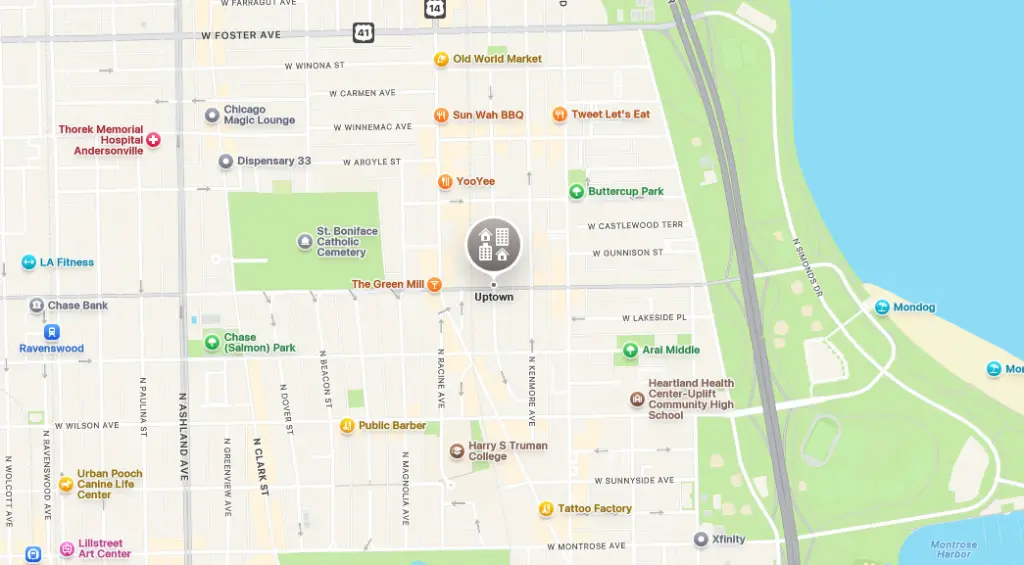
Uptown is a historic and culturally vibrant neighborhood on Chicago’s North Side, known for its entertainment legacy, architectural character, and strong sense of community. Located along Lake Michigan and just north of Lakeview, Uptown is home to approximately 58,000 residents. Its mix of lakefront access, historic theaters, and diverse population gives the neighborhood a unique identity that blends artistic energy with everyday city living. About 7 miles from downtown Chicago, Uptown is well connected by public transportation and major thoroughfares.
Uptown’s history is closely tied to Chicago’s early 20th-century growth and its role as a major entertainment destination. In the 1910s and 1920s, Uptown was a glamorous hub featuring movie palaces, ballrooms, and jazz clubs. Landmarks such as the Aragon Ballroom and the Riviera Theatre hosted legendary performers and helped establish Uptown as a center for music and nightlife. While the neighborhood experienced economic decline in the mid-20th century, recent decades have brought revitalization efforts focused on preserving historic buildings and strengthening community institutions.
Architecturally, Uptown features an impressive collection of early 20th-century buildings, including ornate theaters, Art Deco apartments, greystones, and courtyard buildings. Housing options range from vintage walk-up apartments and modern condominiums to single-room occupancy buildings and new mixed-use developments. This variety supports a diverse population that includes families, artists, students, and longtime residents.
Uptown is one of Chicago’s most diverse neighborhoods. Residents represent a wide range of racial, ethnic, and cultural backgrounds, with notable Asian, African American, Latino, and European communities. The neighborhood has long served as an entry point for immigrants and newcomers to the city. Median household income is below the citywide average, but Uptown’s affordability relative to nearby lakefront neighborhoods makes it attractive to those seeking access to the North Side without high housing costs.
Education in Uptown is supported by several Chicago Public Schools, including Courtenay Elementary, McCutcheon Elementary, and Goudy Technology Academy. Nearby high schools include Truman College’s partner programs and other CPS options in surrounding neighborhoods. Truman College, part of the City Colleges of Chicago system, is located just west of Uptown and provides higher education, workforce training, and continuing education opportunities for residents.
Uptown’s economy is anchored by entertainment, healthcare, education, and local businesses. In addition to its historic music venues, the neighborhood is home to Weiss Memorial Hospital and numerous social service organizations. Commercial corridors along Broadway, Wilson Avenue, and Argyle Street support restaurants, shops, and small businesses. Argyle Street is especially known for its Southeast Asian restaurants and markets, often referred to as Chicago’s “Asia on Argyle.”
Recreation and culture are central to Uptown’s identity. The neighborhood offers easy access to Montrose Beach, Montrose Harbor, and the Lakefront Trail, providing space for biking, walking, and outdoor activities. Cultural institutions, music venues, and community art spaces contribute to Uptown’s creative atmosphere. Festivals, concerts, and neighborhood events regularly bring residents and visitors together.
Uptown has been home to many notable figures in music, film, and literature, reflecting its long-standing role in Chicago’s cultural life. Its theaters and ballrooms continue to attract nationally recognized performers, keeping Uptown connected to its storied past while embracing new artistic voices.
For those considering living in Chicago, Uptown offers a compelling mix of history, diversity, and accessibility. With its lakefront parks, iconic entertainment venues, affordable housing options, and strong community presence, Uptown remains a neighborhood defined by resilience, creativity, and cultural expression on Chicago’s North Side.