

About Albany Park
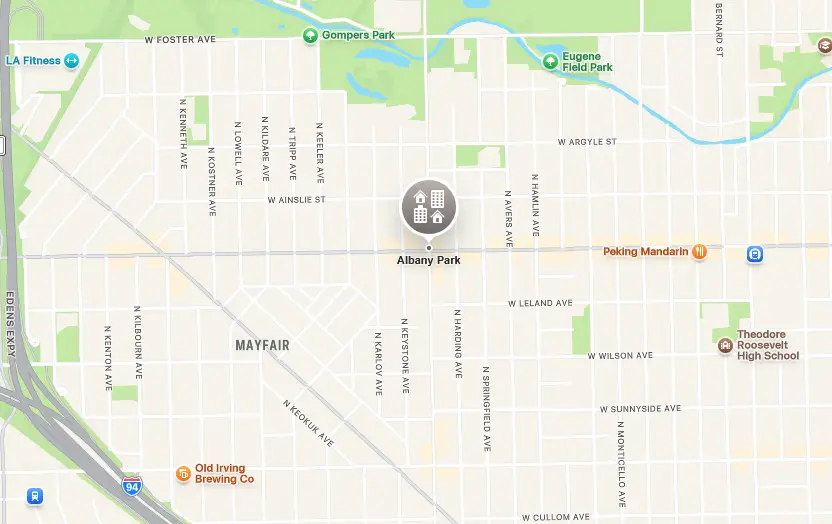
Albany Park is one of Chicago’s most diverse and vibrant neighborhoods, located on the city’s Northwest Side. Home to approximately 45,000 residents, it is celebrated for its multicultural population, strong community networks, and variety of housing options. The neighborhood is roughly 8 miles northwest of downtown Chicago, offering residents convenient access to the city while maintaining a distinct and welcoming community atmosphere.
Albany Park’s history reflects Chicago’s broader immigrant and industrial growth. Originally farmland in the 19th century, the area began developing residentially in the early 20th century, spurred by streetcar and rail lines. Many early residents were European immigrants, particularly German, Swedish, and Austrian communities. Over time, the neighborhood became a hub for newer immigrant groups, including Latin American, Korean, Filipino, Middle Eastern, and African communities, creating one of the most ethnically diverse neighborhoods in Chicago.
Housing in Albany Park is varied, including brick bungalows, two-flats, courtyard apartment buildings, and single-family homes. Tree-lined streets and a mix of rental and owner-occupied properties provide options for families, young professionals, and longtime residents alike. Compared to other North Side neighborhoods, Albany Park offers relatively affordable housing while maintaining strong community ties.
The neighborhood is culturally diverse, with residents representing dozens of countries and languages. Median household income is slightly below the city average, reflecting a working- and middle-class community with a strong entrepreneurial spirit. Immigrant-owned businesses, ethnic restaurants, and cultural institutions contribute to the neighborhood’s dynamic economy and rich cultural fabric.
Education is an important aspect of Albany Park. The neighborhood is served by several Chicago Public Schools, including Portage Park Elementary and Haugan Elementary, with high school students attending Amundsen High School or von Steuben Metropolitan Science Center. The area also includes charter and private schools that accommodate a range of educational needs. Local schools often collaborate with community organizations to support immigrant families and multilingual students.
Economically, Albany Park benefits from small businesses, retail, and service sectors along main corridors such as Lawrence Avenue, Kimball Avenue, and Kedzie Avenue. The neighborhood also benefits from excellent public transit options, including multiple CTA bus lines and the Brown Line and Blue Line nearby, making commuting to downtown and other parts of the city convenient.
Recreation and green space are central to neighborhood life. Albany Park offers several parks and playgrounds, including Pulaski Park, Hamlin Park, and Horner Park nearby, which provide athletic fields, walking paths, and community programming. Community festivals, cultural events, and farmers markets highlight the neighborhood’s diversity and foster social cohesion.
Albany Park is known for its strong community organizations, active block clubs, and cultural institutions that celebrate its immigrant heritage. The neighborhood’s residents are engaged in maintaining a welcoming and inclusive environment, making it a place where newcomers and longtime residents alike feel at home.
For those seeking a vibrant, diverse, and well-connected neighborhood in Chicago, Albany Park offers a unique combination of cultural richness, housing variety, and community spirit. Its multicultural population, active local businesses, strong schools, and accessible transportation make it a desirable neighborhood on the city’s Northwest Side.