












Welcome to your Tenant Resources page! Whether you’re a new resident or have been with us for a while, this page provides helpful tips and essential information to ensure a smooth and enjoyable rental experience. Below are some key resources to keep in mind:
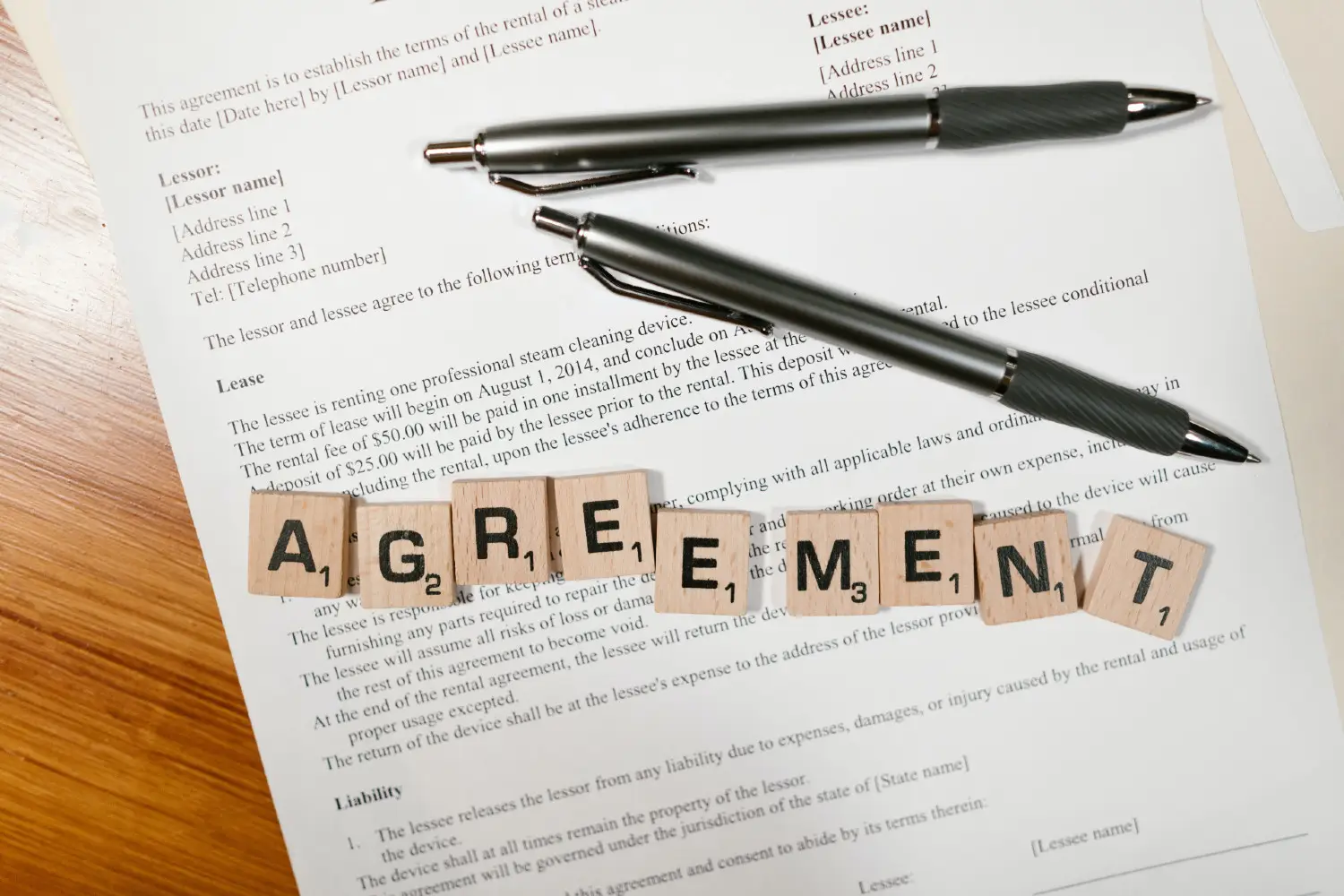
It sounds simple, but many tenants overlook this important step. Before signing your lease, make sure you understand the rules that affect your day-to-day life, including how many people can live in the unit, whether pets are allowed, and any specific responsibilities you may have (like snow removal or lawn care). If something seems unclear or you have special circumstances, don’t hesitate to ask your landlord to make adjustments. Make sure everything important is in writing. After signing, always keep a copy of your lease for reference.
Also, check for a move-in/move-out condition form. This ensures that both you and the landlord are on the same page regarding the property’s condition, which can help you receive your full deposit back.
Taking care of your rental property not only helps build a good relationship with your landlord but also increases your chances of getting approval for modifications or upgrades in the future. If you’re thinking of making any improvements or repairs (like painting or installing shelves), ask your landlord first. And always be mindful of any damage caused during your tenancy, taking care of small issues early can help avoid larger costs down the line.
Paying your rent on time is one of the most important things you can do as a tenant. Late payments can negatively affect your credit and may result in late fees. To avoid this, plan ahead: pay online through our portal or mail your check early. Consider using a rent affordability calculator to ensure you can comfortably afford your rent every month, even during tough times.
Even if it’s not required by your lease, renters insurance is essential. It protects your personal property in case of unexpected damage, such as a fire or theft. Having renters insurance can save you from expensive out-of-pocket expenses, and in many cases, your landlord’s insurance won’t cover your personal belongings.
Pets can cause more wear and tear on a rental property, which is why many leases don’t allow them. If you’d like to bring a pet into your home, always ask for permission first. Be prepared to pay an additional deposit or a pet fee if allowed. Ensure any pet arrangements are documented in writing to avoid confusion later on.
Breaking a lease can have serious consequences. Whether you’re facing financial hardship or a life change, always communicate with your landlord if you foresee needing to break the lease. Landlords are often willing to work with tenants who maintain good communication, and this can help you avoid eviction or legal action. If you need to leave early, check your lease for any penalties or options for subletting.
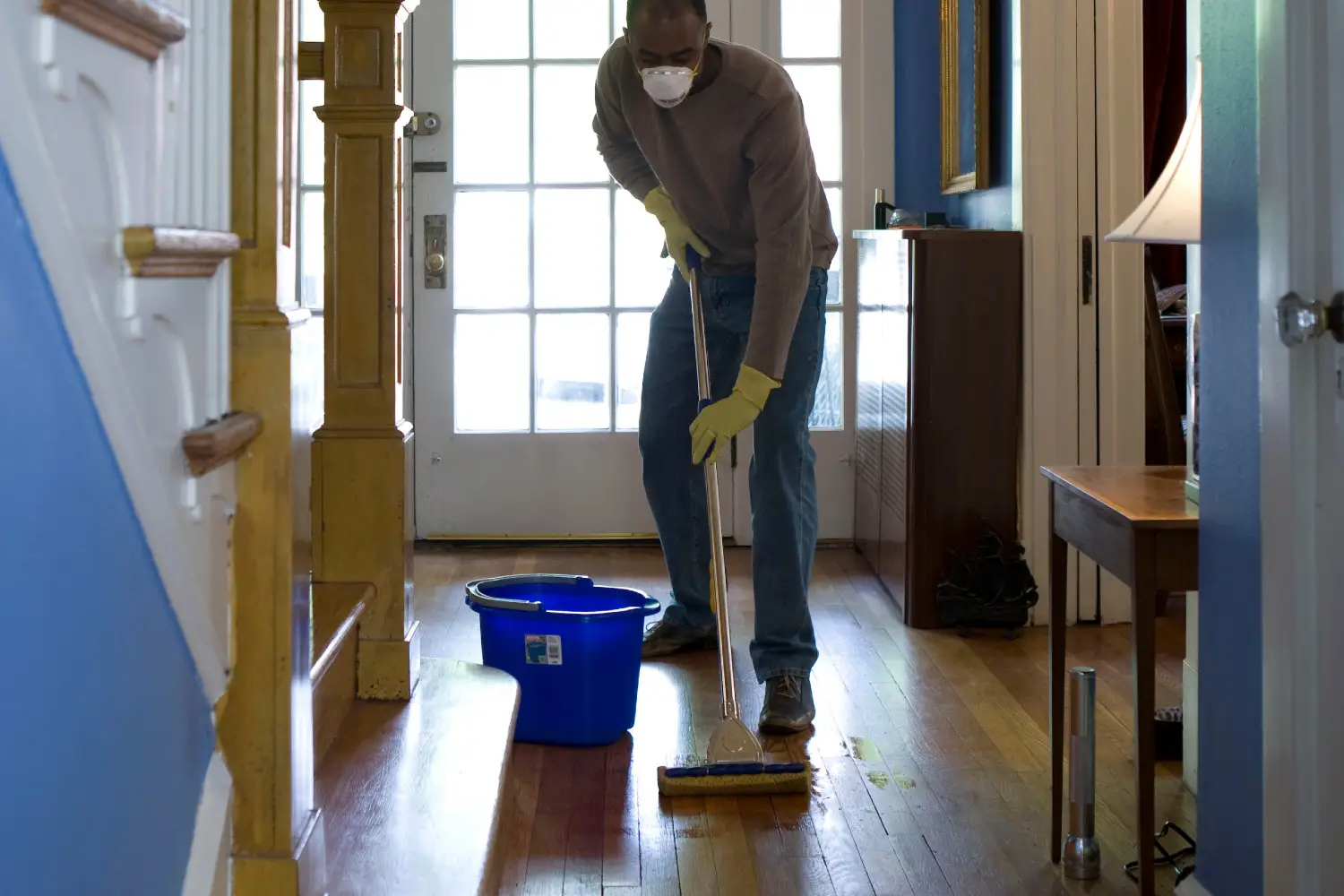
A clean home not only improves your living experience but also ensures that you won’t have deductions from your security deposit when you move out. Follow a basic weekly cleaning routine, and deep clean once a year, especially before inspections or move-out. If you have pets, make sure your home stays fresh and odor-free. The cleaner your space, the more likely your landlord is to overlook minor issues when it’s time for inspection.
Building positive relationships with your neighbors can make your living situation more pleasant. Introduce yourself and share contact details in case there are issues (like noise or packages). Neighbors are also great resources for keeping an eye on your unit when you’re not home, and they can be helpful when you need assistance or want to borrow something.
If you notice any issues, whether it’s a leaky roof or a clogged drain, contact your landlord right away. Timely reporting of maintenance issues can prevent small problems from turning into bigger (and more expensive) repairs. The quicker we address them, the better for both you and the property.
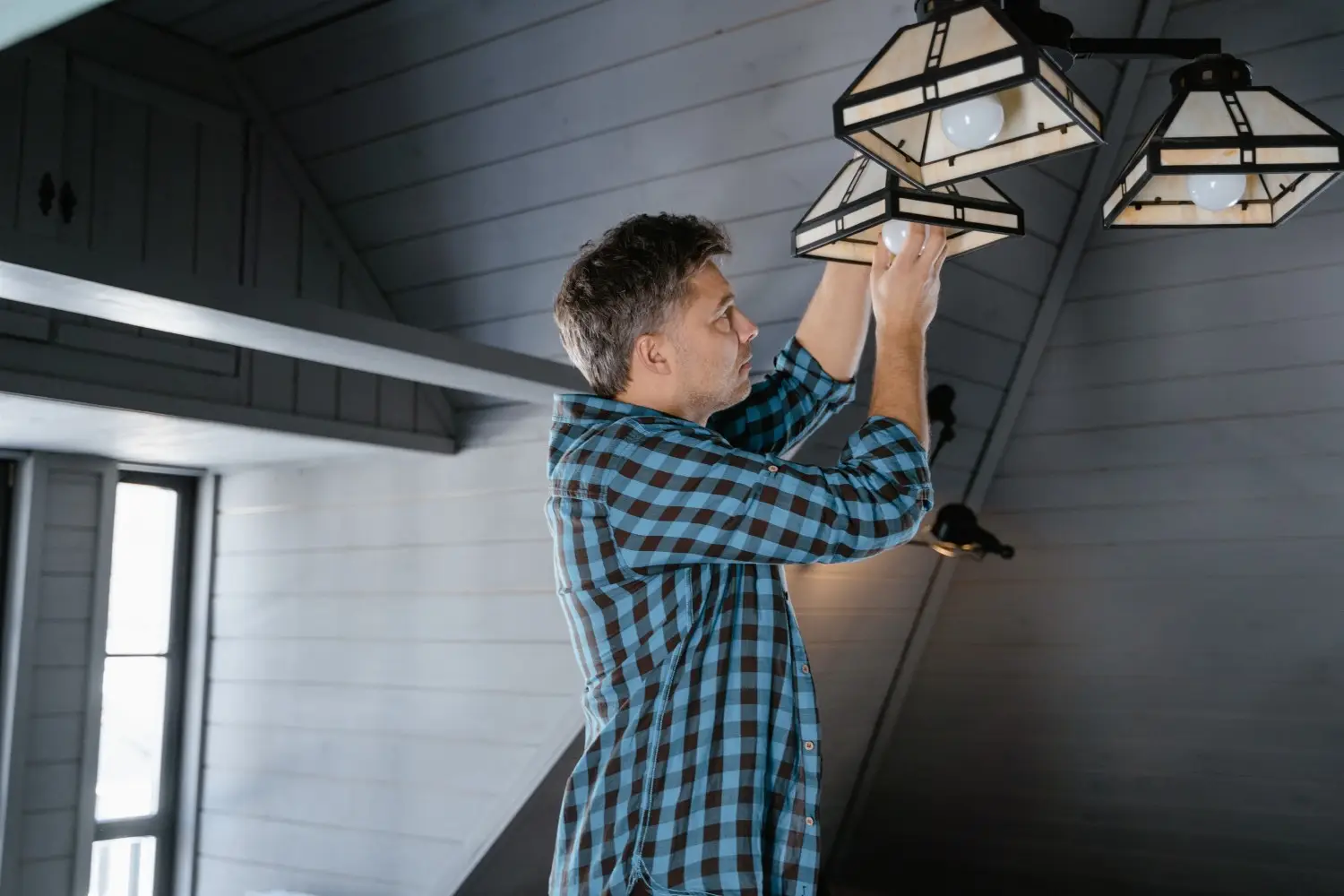
While your landlord should be informed about major maintenance issues (such as a broken appliance or plumbing issues), minor repairs, like changing lightbulbs or unclogging a toilet are usually your responsibility. Handling these small tasks independently will help maintain a good relationship with your landlord.
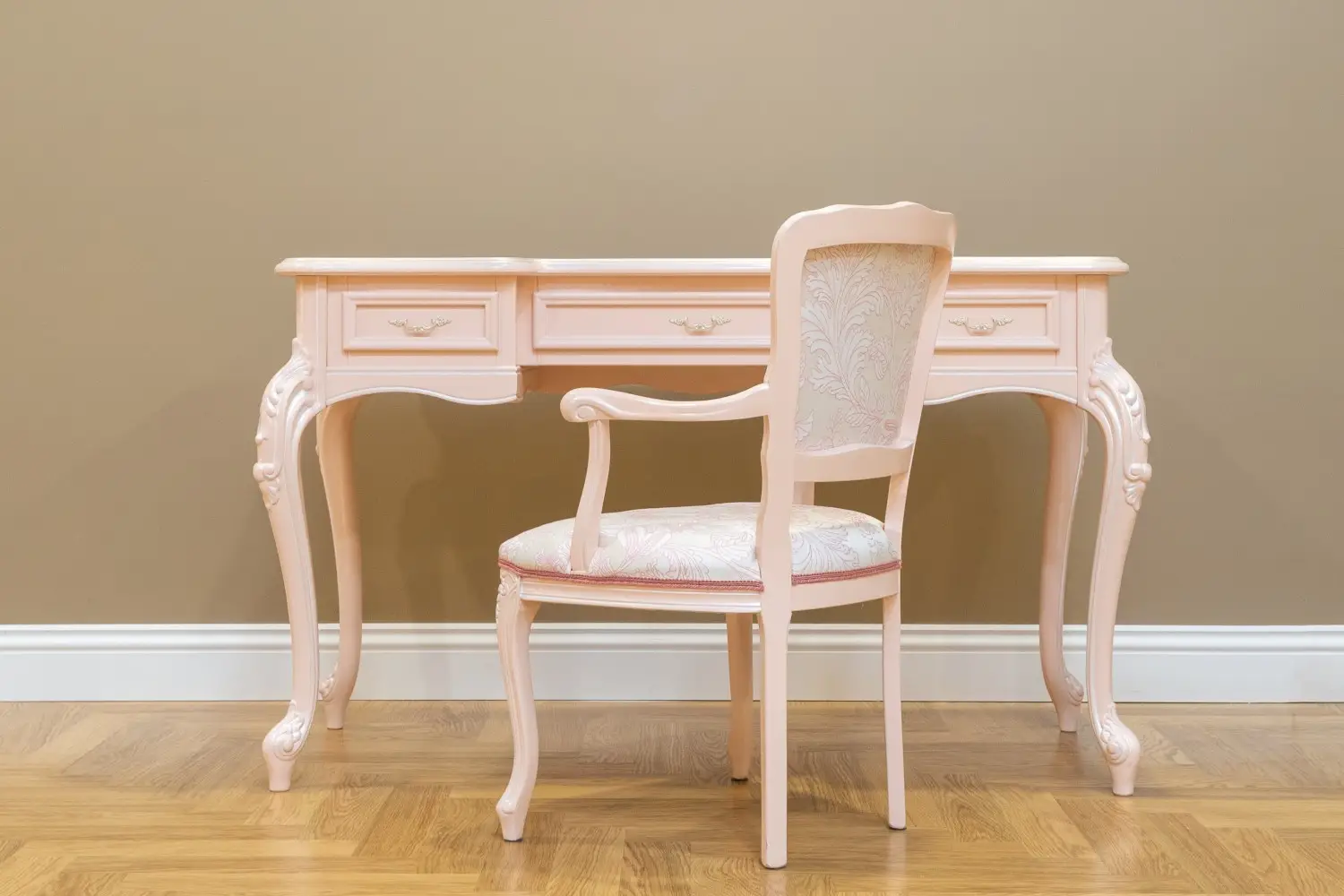
Flooring is a significant investment, and scratches or damage can come out of your security deposit. Use felt pads on the bottoms of your furniture legs to avoid unnecessary damage. It only takes a few minutes and a small investment, but it can save you from larger repair costs when moving out.
When you move out, make sure the property is clean and free from your belongings. Take the time to tidy up and clean thoroughly before returning the keys. If you’ve made any small repairs or touched up the paint, let the landlord know. A well-maintained property will increase your chances of getting your full deposit back and help maintain a good reference for future rentals.
COMCAST (Xfinity)
Website: www.xfinity.com
Phone: 800.934.6489
AT&T (Internet, Phone, and DirectTV)
Website: www.att.com/availability
Phone: 866.861.6075
Astound Broadband (formerly RCN)
Website: www.astound.com
Phone: 800.427.8686
ComEd – Electricity Service
Website: www.comed.com
Phone: 800.334.7661
People Gas – Gas Service
Website: www.peoplesgasdelivery.com
Phone: 866.556.6001
Nicor Gas
Website: www.nicorgas.com
Phone: 888.642.6748
City of Chicago (Utility Bills)
Website: utilitybill.chicago.gov
Phone: 312.744.4420
USPS (Postal Services)
Website: www.usps.com
Phone: 800.344.7779
Chicago Parking Permits
Website: www.chicago.gov
Phone: 312.744.5000
Got questions? Ideas? Fill out the form below & our specialist will contact you.