





















About Lincoln Park
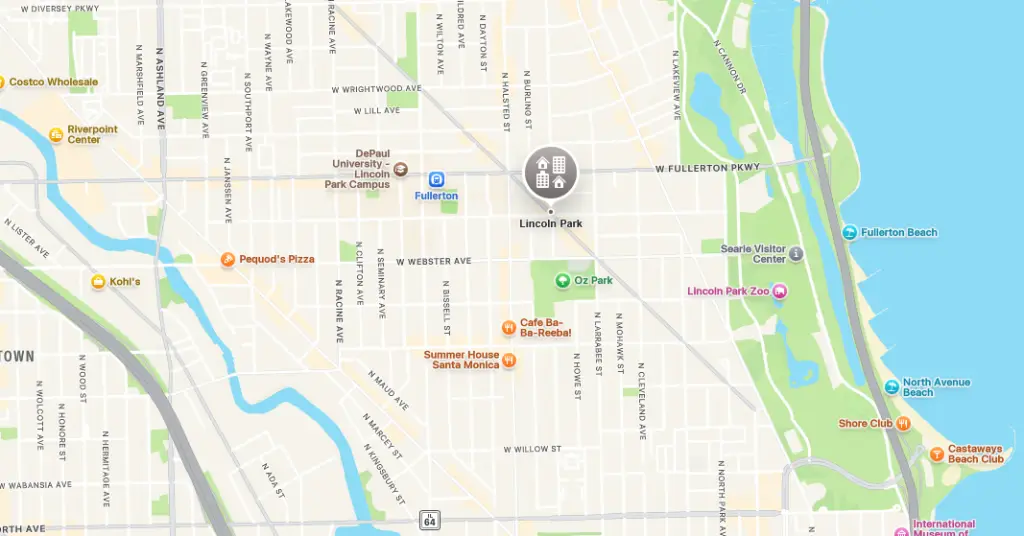
Lincoln Park is one of Chicago’s most iconic and desirable neighborhoods, located on the city’s North Side along the shores of Lake Michigan. Just 3 miles north of downtown, Lincoln Park is home to approximately 70,000 residents and is known for its historic architecture, expansive green space, cultural institutions, and vibrant commercial corridors. The neighborhood blends natural beauty, urban convenience, and residential charm, making it appealing to families, professionals, students, and longtime Chicagoans.
Lincoln Park’s history is closely tied to the development of the park from which it takes its name. In the mid-19th century, the area transitioned from farmland and cemeteries into a landscaped public park, later named in honor of President Abraham Lincoln. The neighborhood grew rapidly after being annexed by Chicago in 1869, with streetcar lines and rail service driving residential and commercial development. By the early 20th century, Lincoln Park had become one of the city’s most prestigious residential areas, a reputation it largely maintains today.
Housing in Lincoln Park is diverse and architecturally rich. Residents can choose from historic greystones, Victorian-era homes, classic Chicago two-flats, modern condominiums, and luxury high-rise apartments near the lake. While housing costs are among the highest in the city, the neighborhood’s amenities, schools, and location continue to attract buyers and renters. Tree-lined streets and well-preserved buildings contribute to Lincoln Park’s elegant and inviting atmosphere.
Lincoln Park is a relatively affluent and highly educated community, with median household income well above the city average. The neighborhood is known for its stability, safety, and strong civic engagement. Despite its affluence, Lincoln Park remains socially diverse, with a mix of families, young professionals, students, and seniors calling it home.
Education is a major draw for Lincoln Park residents. The neighborhood is served by several top-performing Chicago Public Schools, including Lincoln Elementary School, Oscar Mayer Magnet School, and Alcott College Prep. High school students often attend Lincoln Park High School, one of the city’s most competitive selective enrollment schools. The presence of DePaul University adds to the neighborhood’s academic and youthful energy, bringing students, faculty, and cultural programming to the area.
Economically, Lincoln Park benefits from a strong retail, dining, and professional services base. Commercial areas along Clark Street, Lincoln Avenue, Armitage Avenue, and Halsted Street are lined with upscale boutiques, restaurants, cafes, and entertainment venues. Tourism also plays a role, driven by attractions such as the Lincoln Park Zoo, Conservatory, and Nature Boardwalk.
Recreation and culture are central to Lincoln Park’s identity. The neighborhood’s namesake park is one of the largest urban parks in the country, offering miles of walking and biking paths, beaches, athletic fields, and cultural institutions. Residents and visitors alike enjoy year-round access to outdoor activities, as well as museums, theaters, and music venues throughout the area.
Lincoln Park has been home to numerous notable figures in politics, business, sports, and the arts, reflecting its long-standing prominence within Chicago. Its institutions and public spaces continue to shape the city’s cultural landscape.
For those considering living in Chicago, Lincoln Park offers a premier urban experience. With its beautiful parkland, excellent schools, cultural attractions, vibrant commercial districts, and proximity to downtown, Lincoln Park stands out as a neighborhood that combines prestige, livability, and a strong sense of community on Chicago’s North Side.