





















About Highland Park
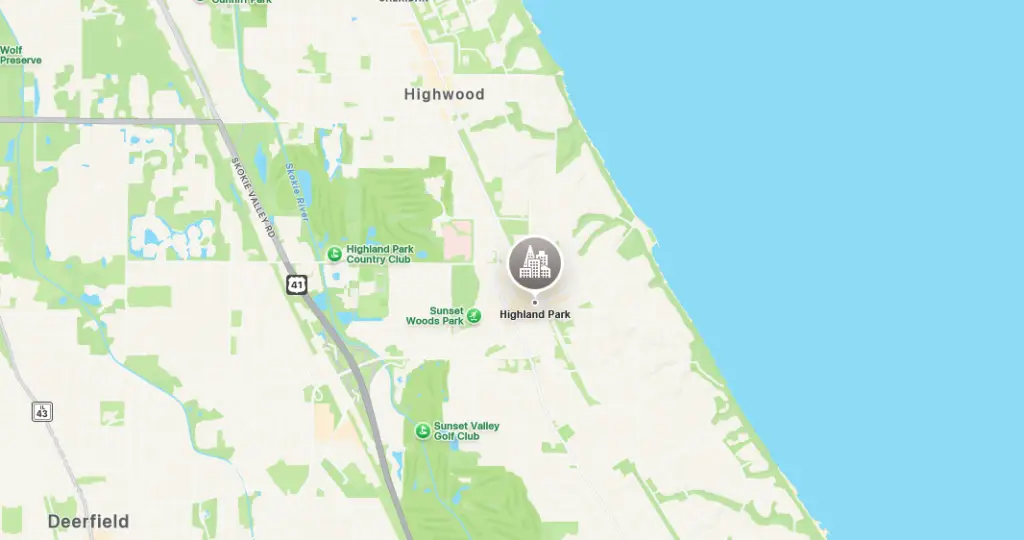
Highland Park, Illinois is an affluent and picturesque suburb located in Lake County, approximately 25 miles north of downtown Chicago along the scenic western shore of Lake Michigan. Known for its tree-lined streets, historic architecture, cultural richness, and top-tier schools, Highland Park offers residents a blend of suburban luxury, natural beauty, and urban convenience. With a population of roughly 30,000 residents, the city appeals to families, professionals, and retirees seeking a vibrant yet tranquil community.
The history of Highland Park dates back to the mid-19th century. The area was originally inhabited by Native American tribes before European settlers arrived in the 1830s. Highland Park was officially incorporated in 1869, becoming one of the earliest suburban communities in Lake County. The city grew rapidly due to its attractive location along Lake Michigan, access to transportation, and development of residential neighborhoods. Many historic homes and landmarks still stand today, reflecting the city’s rich architectural heritage and long-standing commitment to community planning.
Highland Park covers approximately 15 square miles and is characterized by a mix of residential neighborhoods, commercial areas, and parks. Housing options range from historic estates and Craftsman-style homes to modern single-family houses and condominiums. Streets are lined with mature trees, landscaped yards, and scenic vistas, particularly near the lakefront and forest preserves. The city offers a high quality of life with neighborhoods that balance privacy, aesthetics, and community accessibility.
Education is a cornerstone of Highland Park. The city is served by Highland Park High School District 113 for secondary education and Elementary School District 112 for elementary and middle school education. Schools are widely recognized for academic excellence, extracurricular programs, and strong community engagement. Additionally, several private and parochial schools in the area provide alternative educational options, making Highland Park attractive to families seeking high-quality education.
Highland Park’s economy is diverse, with local businesses, professional services, retail, and hospitality supporting the community. The downtown area features boutique shops, restaurants, coffeehouses, and cultural venues, providing residents with convenient amenities and vibrant social hubs. The city’s location along Lake Michigan and proximity to major highways such as Interstate 94 make it accessible for commuters and regional travelers, supporting both local businesses and professional residents.
Recreation and outdoor amenities are abundant in Highland Park. The city is home to numerous parks, trails, and natural areas maintained by the Highland Park Park District. Residents enjoy hiking, biking, golf, tennis, swimming, and other recreational activities. Proximity to Lake Michigan offers opportunities for boating, fishing, and water-based recreation, while nearby forest preserves provide additional outdoor experiences. Highland Park also hosts cultural events, festivals, and farmers markets that encourage community engagement and active lifestyles.
Cultural and civic life in Highland Park is vibrant and community-centered. The city supports arts organizations, theaters, galleries, and performance venues, including the well-regarded North Shore Center for the Performing Arts. Civic programs and volunteer opportunities foster a sense of community pride and involvement. Highland Park’s cultural richness, combined with its historic charm, makes it a hub for both local residents and visitors seeking arts, education, and recreational experiences.
Transportation is a significant advantage for Highland Park residents. The city is served by Metra’s Union Pacific North Line, providing direct commuter rail access to downtown Chicago. Major roadways, including Interstate 94, ensure efficient travel to Chicago and surrounding suburbs. This connectivity allows residents to enjoy a suburban lifestyle while maintaining access to urban employment, cultural, and entertainment opportunities.
Demographically, Highland Park is composed primarily of families, professionals, and retirees who value education, safety, and high-quality amenities. Median household income is well above the national average, reflecting the city’s affluence and economic stability. Housing ranges from historic estates and luxury properties to more modest single-family homes, accommodating a variety of residents while maintaining the community’s upscale character.
For prospective residents, Highland Park offers a blend of historic charm, scenic neighborhoods, excellent schools, cultural richness, and recreational opportunities. Its combination of suburban luxury, lakefront access, and convenient commuting options makes it an attractive place to live for families, professionals, and retirees alike. With its strong sense of community, abundant amenities, and natural beauty, Highland Park remains one of the most desirable communities in Lake County for those seeking a high-quality suburban lifestyle.