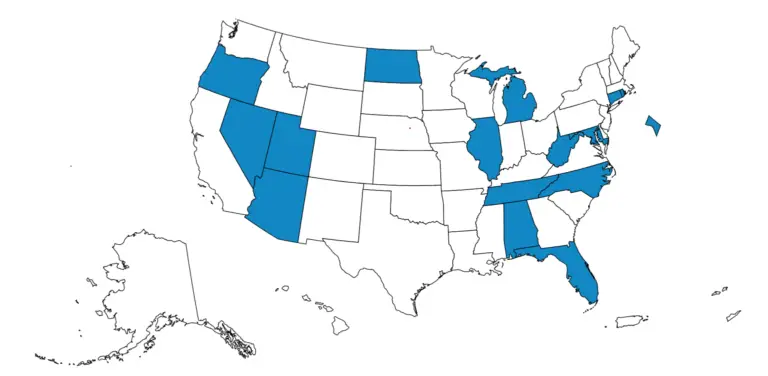
On January 1st, 2026, the Illinois Safer Homes Act (765 ILCS 752) will go into effect, bringing significant changes to the rights and protections available to tenants who are victims of domestic violence, sexual violence, or stalking. The Act’s primary purpose is to ensure that tenants are well-informed about their rights under Illinois law and provide them with the necessary tools to protect their safety and security. The Safer Homes Act builds on previous protections under the Illinois Safe Homes Act (765 ILCS 750), and as of 2026, it mandates a new disclosure requirement for landlords to include a 4-page summary of the Act with every residential lease agreement.
This article aims to provide an overview of the Safer Homes Act in relation to residential leases and highlight the key protections it provides for tenants who have experienced domestic or sexual violence. It also covers the compliance requirements for landlords and the penalties for failure to adhere to the law.
The Illinois Safer Homes Act – A Summary of Key Provisions
The Illinois Safer Homes Act (765 ILCS 752) requires that all residential lease agreements in Illinois include a 4-page summary of the tenant’s rights under the law. This summary must be attached as the first four pages of the lease and must be initialed by the tenant to confirm that they have received and reviewed the information.
The Safer Homes Act is designed to raise awareness about the legal protections available to tenants who are victims of domestic violence, sexual violence, or stalking. By requiring landlords to provide tenants with this critical information, the law seeks to empower individuals to take action to protect themselves from further harm without the fear of losing their housing or facing retaliation.
What Protections Does the Illinois Safer Homes Act Provide?
Right to End a Lease Early
One of the key provisions of the Illinois Safer Homes Act is the right of a tenant to terminate their lease early if they are a victim of domestic or sexual violence and feel that they are under an imminent threat of harm. Tenants can end their lease without incurring penalties for breaking the lease, including early lease break fees, provided they follow the proper procedures.Notice Requirement: Tenants must provide written notice to their landlord before or within three days of vacating the rental unit.
Documentation: If the tenant is a victim of sexual violence, they must provide documentation (such as a police report or medical records) indicating that the violence occurred at the rental property within the last 60 days or later.
Once the tenant has vacated the property and provided the appropriate notice, they are not responsible for future rent payments beyond the period of time they occupied the property. Additionally, the landlord is required to return the tenant’s security deposit, provided there is no outstanding rent or damage beyond normal wear and tear.
Right to Change Locks
Tenants who are victims of domestic or sexual violence are entitled to change the locks on their rental unit to enhance their safety. If the tenant fears imminent harm, they must provide written notice to the landlord, who must change the locks or provide permission for the tenant to do so within 48 hours.If the landlord fails to comply, the tenant has the right to change the locks at their own expense and must provide the landlord with a copy of the new key within 48 hours. This provision ensures that tenants can take immediate steps to protect themselves from further harm.
Protection Against Discrimination
Landlords are prohibited from discriminating against tenants who are victims of domestic violence, sexual violence, or stalking. This means that landlords cannot refuse to rent to a tenant, deny repairs, or charge additional fees because the tenant has an order of protection, civil no-contact order, or stalking no-contact order.If a landlord discloses the tenant’s status as a victim of domestic violence or shares any information regarding the tenant’s use of the Safer Homes Act, the landlord may be liable for actual damages up to $2,000 and may also be required to pay for the tenant’s attorney’s fees.
Eviction Protections
The Act also provides important protections against eviction for tenants who are victims of domestic violence or sexual violence. A landlord cannot evict a tenant based solely on the tenant or a household member’s status as a victim of domestic violence, sexual assault, or stalking.Eviction Defenses: If a tenant faces eviction due to these circumstances, they may assert a defense based on the Safe Homes Act, including threats of violence or criminal activity related to domestic violence that do not directly involve the tenant’s actions.
Evidence Requirement: To assert this defense, tenants must provide evidence, such as medical, police, or court records, or a statement from a victim services organization.
Liability for Landlords
A landlord is liable for actual damages if they share information regarding a tenant’s use of the Safe Homes Act or disclose that a tenant has used protections under the Act. Additionally, landlords who attempt to evict a tenant based on their status as a victim of domestic violence, dating violence, or stalking may also face penalties and legal consequences.
Landlord Responsibilities and Compliance
As of January 1, 2026, landlords in Illinois will be required to comply with the Safer Homes Act by attaching the 4-page summary to every new or renewed residential lease agreement. Failure to comply with this requirement can result in penalties for the landlord, including:
Penalties of up to $2,000 for failure to disclose the summary or for improperly handling the tenant’s rights under the Act.
Legal action brought by the tenant, including the possibility of recovering attorney’s fees.
It is crucial for landlords to familiarize themselves with the content of the summary and ensure that they are providing it to tenants in compliance with the law. The Illinois Department of Human Rights has made a copy of the summary available online for landlords to download, which they can then provide to their tenants.
Failure to meet these requirements may also lead to further legal action, as tenants who feel their rights have been violated may seek legal recourse through the court system.
How Can Tenants and Landlords Protect Themselves?
For tenants, it is important to be aware of the rights and protections provided under the Illinois Safer Homes Act. If you are a victim of domestic violence, sexual violence, or stalking, you should understand your ability to terminate your lease, change the locks, and protect your privacy and safety in your housing situation. Seeking legal assistance from one of the many legal aid organizations available in Illinois can also help ensure that your rights are upheld.
For landlords, understanding and following the requirements of the Safer Homes Act will not only keep you in compliance with state law but also ensure that you are supporting your tenants during difficult circumstances. It is advisable to regularly review the regulations, update lease agreements, and maintain clear communication with tenants regarding their rights under the Act.
Summary
The Illinois Safer Homes Act provides critical protections for tenants facing domestic violence, sexual violence, and stalking. By mandating that landlords include a 4-page summary of tenant rights in every lease agreement, the law ensures that tenants are fully informed of their legal protections and the steps they can take to protect themselves from further harm. It is essential for both tenants and landlords to understand the provisions of the Act to ensure compliance and to safeguard the rights and safety of those affected by violence.
For more information, tenants and landlords can visit the Illinois Department of Human Rights website or consult with a legal professional specializing in housing law.
About the Author
 Arthur R. van der Vant is an accomplished property manager with over 38 years of experience managing residential and commercial properties across Illinois. With a deep understanding of Illinois landlord-tenant law, including the Illinois Safe Homes Act and other vital housing regulations, Arthur is dedicated to ensuring both property owners and tenants are informed and protected. Known for providing expert guidance on compliance, risk management, and tenant relations, Arthur offers practical insights that help landlords navigate the complexities of property management while maintaining a strong commitment to fairness and tenant safety.